- Page 1
- Page 2
- Page 3
- Page 4
- Page 5
- Page 6
- Page 7
- Page 8
- Page 9
- Page 10
- Page 11
- Page 12
- Page 13
- Page 14
- Page 15
- Page 16
- Page 17
- Page 18
- Page 19
- Page 20
- Page 21
- Page 22
- Page 23
- Page 24
- Page 25
- Page 26
- Page 27
- Page 28
- Page 29
- Page 30
- Page 31
- Page 32
- Page 33
- Page 34
- Page 35
- Page 36
- Page 37
- Page 38
- Page 39
- Page 40
- Page 41
- Page 42
- Page 43
- Page 44
- Page 45
- Page 46
- Page 47
- Page 48
- Page 49
- Page 50
- Page 51
- Page 52
- Page 53
- Page 54
- Page 55
- Page 56
- Page 57
- Page 58
- Page 59
- Page 60
- Page 61
- Page 62
- Page 63
- Page 64
- Page 65
- Page 66
- Page 67
- Page 68
- Page 69
- Page 70
- Page 71
- Page 72
- Page 73
- Page 74
- Page 75
- Page 76
- Page 77
- Page 78
- Page 79
- Page 80
- Page 81
- Page 82
- Page 83
- Page 84
- Page 85
- Page 86
- Page 87
- Page 88
- Page 89
- Page 90
- Page 91
- Page 92
- Page 93
- Page 94
- Page 95
- Page 96
- Page 97
- Page 98
- Page 99
- Page 100
- Page 101
- Page 102
- Page 103
- Page 104
- Page 105
- Page 106
- Page 107
- Page 108
- Page 109
- Page 110
- Page 111
- Page 112
- Page 113
- Page 114
- Page 115
- Page 116
- Page 117
- Page 118
- Page 119
- Page 120
- Page 121
- Page 122
- Page 123
- Page 124
- Page 125
- Page 126
- Page 127
- Page 128
- Page 129
- Page 130
- Page 131
- Page 132
- Page 133
- Page 134
- Page 135
- Page 136
- Page 137
- Page 138
- Page 139
- Page 140
- Page 141
- Page 142
- Page 143
- Page 144
- Page 145
- Page 146
- Page 147
- Page 148
- Page 149
- Page 150
- Page 151
- Page 152
- Page 153
- Page 154
- Page 155
- Page 156
- Page 157
- Page 158
- Page 159
- Page 160
- Page 161
- Page 162
- Page 163
- Page 164
- Page 165
- Page 166
- Page 167
- Page 168
- Page 169
- Page 170
- Page 171
- Page 172
- Page 173
- Page 174
- Page 175
- Page 176
- Page 177
- Page 178
- Page 179
- Page 180
- Page 181
- Page 182
- Page 183
- Page 184
- Page 185
- Page 186
- Page 187
- Page 188
- Page 189
- Page 190
- Page 191
- Page 192
- Page 193
- Page 194
- Page 195
- Page 196
- Page 197
- Page 198
- Page 199
- Page 200
- Page 201
- Page 202
- Page 203
- Page 204
- Page 205
- Page 206
- Page 207
- Page 208
- Page 209
- Page 210
- Page 211
- Page 212
- Page 213
- Page 214
- Page 215
- Page 216
- Page 217
- Page 218
- Page 219
- Page 220
- Page 221
- Page 222
- Page 223
- Page 224
- Page 225
Spirit of Place – Aboriginal Sites of the Hunter Region
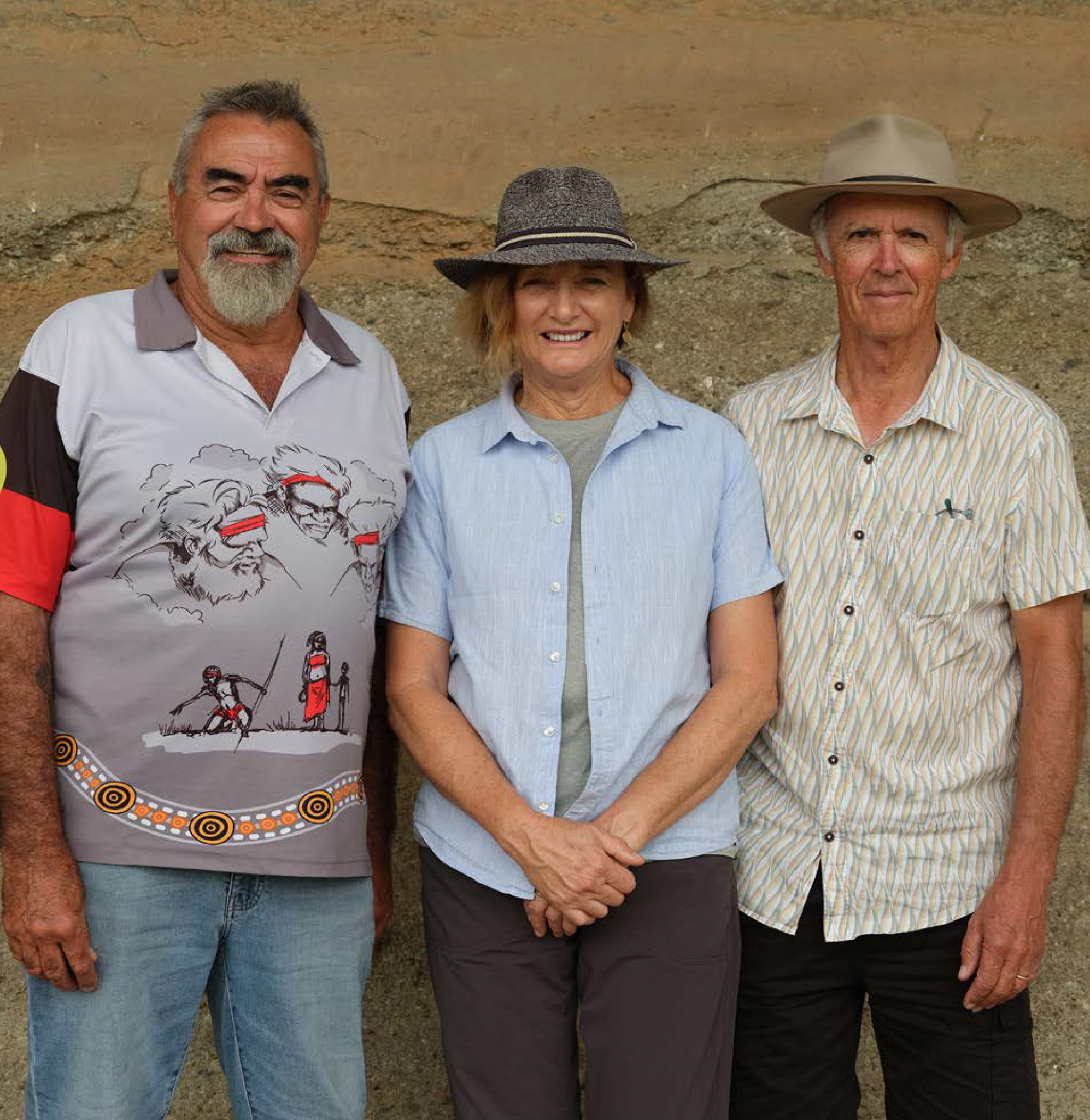
Uncle Warren Taggart is a Wonnarua Elder and teacher of Aboriginal Culture. In 2021 he collaborated with photographers Carol Carter and Allan Chawner to publish Spirit of Place- Aboriginal Sites of the Hunter Region, a beautifully presented book that documents important Aboriginal sites across a wide section of Country – Wonnarua, Darkinung, and Dharug – in the Hunter Region. Many of these sites are located within Yengo and Wollemi National Parks.
The project grew from Uncle Warren’s long-standing commitment to recording and protecting significant sites. He began survey work with Carol Carter and Allan Chawner in 2013, bringing together his cultural knowledge with their photographic practice and historical research. What followed was a unique collaboration: a meeting of Aboriginal knowledge, family and community history, and the visual documentation of Country. At its heart lies a shared determination to record places of Aboriginal heritage value before they are lost.
The book was dedicated to Uncle Warren’s father, Stan “Tommy” Taggart, who passed on to him both cultural knowledge and a deep respect for Country – knowledge of caves, rock engravings, and sacred places; the warmth of storytelling; and a profound love of the land. This legacy shapes the pages of Spirit of Place.
Many of the sites represented are fragile, and protecting them is vital. Uncle Warren’s collaboration with Carol and Allan arose from his desire to share these places more widely while ensuring they remain unharmed. Photography provides the public with a way of seeing and appreciating sites of cultural significance without the risk of damaging them. In this way, the book is both an act of sharing and of safeguarding. The work has a strong educational focus.
As the title suggests, Spirit of Place is not only a record of landscapes and sites but also a reflection of living culture. For Aboriginal people, Country is not just land but a spiritual presence, inseparable from identity. Uncle Warren’s words remind us that culture is carried through generations:
Our elders would walk with us, sit with us and tell stories. We would listen, watch and learn in order to understand our culture, our lore. Every part of this traditional land of the Wonnarua people tells a story and through the eyes of ancestors and elders we can see it, we can feel it. Our land is a part of us and always will be. Our ancestors have walked this land for thousands of years and still walk it today. Our ancestors’ footprints are left behind so others can follow to keep our culture and dreamtime alive.
Uncle Warren Taggart
The book also features a preface by Emeritus Professor John Maynard, a Worimi man and respected historian of Aboriginal histories. In addition, archaeologist Jillian Huntley contributes an essay describing the types and techniques of the art sites featured, enriching the book with further context and insight.
InformationUncle Warren Taggart
Uncle Warren Taggart is a knowledge holder of Wonnarua/Wanaruah traditional culture. His knowledge has been passed down through his family - his father, grandfather, and uncles - who were all born and raised on Wonnarua Country in the Singleton region.
He continues to deepen this knowledge through his work with National Parks in Yengo and Wollemi, and by working closely with community members and property owners. Together they plan and carry out survey work to locate, document, and assess the condition of Aboriginal art sites of cultural significance across Wonnarua Country.
For more than 10 years, Uncle Warren has shown strong leadership in this work. He has spent countless hours with collaborators Carol Carter and Allan Chawner, who assist in making photographic and written records. When required, he advises the relevant authorities about sites that need attention or protection.
Uncle Warren is also deeply committed to education. At Baiame Cave, he runs cultural programs that give young people the chance to learn about Aboriginal traditions, beliefs, and the significance of this important site. Students gain an appreciation of the methods used to create the engravings and paintings, as well as the cultural meaning they hold. These visits leave a lasting impression, encouraging respect and positive values towards Aboriginal culture.
Through his leadership, Baiame Cave has also become an important place of learning for organisations, with many groups taking part in professional development programs guided by Uncle Warren. His ongoing dedication ensures that Wonnarua culture is shared, valued, and respected by future generations.
Carol Carter
Carol Carter trained as a visual arts teacher and later in her career became Head Teacher of Creative and Performing Arts at a secondary high school. Her interest in Aboriginal sites in Yengo National Park began in the early 1980s, when she started photographing engraving sites. At that time, she worked mainly with black-and-white film, using fill-in flash at night to illuminate the rock surface at a low angle. This method revealed the fine details of the engravings, while long exposures captured the surrounding landscape, placing the works in their broader context.
These sites were little known at the time, as her formal study of Aboriginal art had not included them. Motivated as an educator, she was determined to share her images with students and the wider community - an approach that eventually led to her collaboration with Uncle Warren Taggart.
Today, Carol continues this work in partnership with her husband, Allan Chawner, using updated digital techniques. Allan operates the camera while Carol works with video lighting, moving the light across the rock to highlight engravings and reveal the surrounding landscape. Together, they also document rock shelters, grinding grooves, and stone arrangement sites.
In addition to her photographic practice, Carol researches historical records of Aboriginal art sites and contributes to survey work aimed at identifying and recording new locations. She also serves as the team’s writer, ensuring that the stories, histories, and cultural context of the work are clearly communicated.
Allan Chawner
Allan Chawner is a retired Associate Professor of Fine Art and former lecturer in photo media at the University of Newcastle. He photographs significant Aboriginal sites identified by Uncle Warren Taggart and contributes to ongoing survey work. Working alongside his wife, Carol Carter, and Uncle Warren, Allan photographs heritage sites - engraving sites illuminated at night or cave interiors carefully balanced with the brighter light outside.
His work captures both the fine details of Aboriginal art sites and the broader surrounding landscape, ensuring each image conveys cultural meaning as well as a sense of place. Allan also prepares digital files for printing, refining and correcting images so they are ready for publication and exhibition.
The collaboration between Allan, Carol, and Uncle Warren has grown over many years, marked by shared knowledge, discussion, and good humour. Survey work can be challenging, as the terrain is often rugged, with no tracks – often dense vegetation, sandstone platforms, and escarpments. Sites are located by GPS, requiring persistence and teamwork to document and protect these places of cultural heritage.
SubjectAustralia - Hunter Region - Aboriginal Rock Art SitesAboriginal EngravingsWonnarua CountryWanaruah countryRock ArtLocation[1]
Copyright ©Warren Taggart 2021
Editing is temporarily disabled
Cancel Edit


a tag or press ESC to cancel


